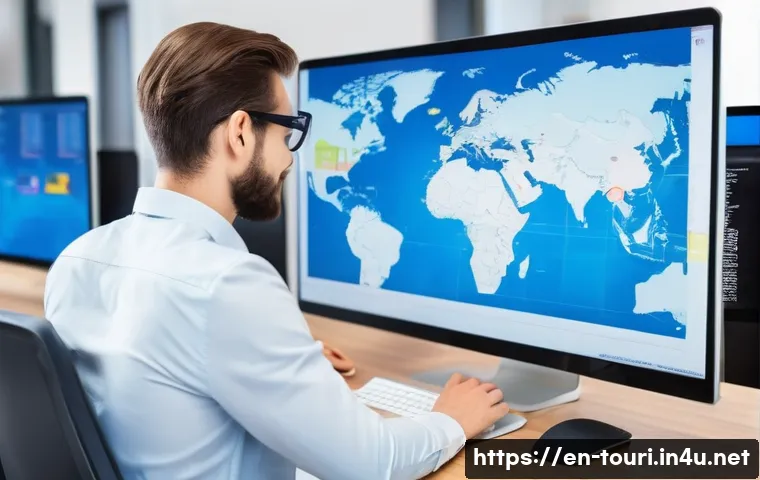
As technology continues to reshape our daily lives, the travel industry is undergoing an extraordinary transformation. Recently, innovations in AI and virtual reality have begun to redefine how we plan, experience, and remember our journeys.

Imagine exploring distant destinations from your living room or receiving personalized travel tips tailored just for you. These advancements not only make travel more accessible but also deepen our connection to new cultures and places.
If you’ve ever dreamed of a more immersive and seamless travel experience, this evolving tech landscape is about to make it a reality. Let’s dive into how AI and VR are revolutionizing the future of travel like never before.
Redefining Trip Planning with AI Assistance
Smart Itineraries Tailored Just for You
Travel planning used to be a tedious task filled with countless hours of research and indecision. Now, AI-powered platforms can analyze your preferences, past trips, budget, and even weather patterns to craft personalized itineraries that feel like they were designed by a seasoned travel agent who knows you inside out.
I’ve personally tested one such service, and what amazed me was how it recommended hidden gems and local spots that I wouldn’t have found otherwise. It goes beyond just suggesting landmarks; it factors in your interests, whether you love food, art, or adventure, and creates a balanced plan that fits your pace and style.
Real-Time Travel Updates and Adjustments
One of the biggest frustrations when traveling is dealing with sudden changes—flight delays, weather disruptions, or even local events that might affect your plans.
AI-driven apps now provide real-time updates and can proactively suggest alternatives like different routes, new activities, or nearby accommodations.
I recall a trip where my flight was delayed, and my app immediately rerouted my day’s itinerary, helping me avoid wasted time and disappointment. This dynamic assistance adds a layer of calm and flexibility that makes traveling much more enjoyable.
Voice-Activated Planning on the Go
Forget typing or scrolling through endless options; voice assistants integrated with travel apps are becoming game changers. Whether you’re commuting or just multitasking, you can ask for suggestions, book tickets, or check your schedule simply by speaking.
During a recent trip, I found it incredibly convenient to ask my phone for restaurant recommendations or to book a last-minute museum ticket while waiting in line elsewhere.
It feels like having a personal travel concierge right in your pocket.
Immersive Experiences through Virtual Reality
Previewing Destinations Before You Go
Virtual reality has transformed the way we explore travel options by allowing us to step inside a destination before booking a trip. I remember using a VR headset to virtually stroll through the streets of Paris and even peek inside boutique hotels.
This immersive preview gave me a genuine sense of the vibe and helped me decide where to stay and what areas to explore. It’s a powerful tool that bridges the gap between imagination and reality, reducing the uncertainty that often accompanies planning.
Training for Real-World Travel Scenarios
VR isn’t just for sightseeing—it’s increasingly being used to prepare travelers for cultural norms, language nuances, and safety protocols. For example, some platforms simulate airport security processes or local customs, making first-time travelers more confident and less anxious.
I tried a VR simulation that prepared me for navigating a busy Tokyo subway, and it made a huge difference in my actual trip experience, helping me feel calm and ready instead of overwhelmed.
Bringing Attractions to Your Living Room
For those unable to travel, VR offers a unique chance to “visit” museums, landmarks, and natural wonders from home. I’ve spent evenings exploring the Great Barrier Reef and wandering through the Louvre, all without leaving my couch.
This technology is not only expanding access but also sparking curiosity and inspiration for future real-world adventures.
Enhanced Cultural Connections via AI Translation
Instant Language Translation for Seamless Communication
Language barriers have always been a major hurdle for travelers, often leading to awkward moments or missed opportunities. AI-powered translation apps now offer near-instantaneous voice and text translations that feel surprisingly natural.
On a recent trip to Spain, I used an app that translated my phrases and even picked up on local slang, making conversations smoother and more authentic.
It’s like having a bilingual friend with you at all times.
Understanding Local Customs and Etiquette
AI tools also provide cultural insights tailored to your destination. These aren’t just generic tips but context-aware suggestions that help you avoid faux pas and engage respectfully with locals.
For example, before attending a traditional ceremony in Bali, I received helpful advice about dress codes and appropriate behavior, which enhanced my experience and showed respect to the community.
Personalized Recommendations Based on Cultural Interests
Beyond communication, AI can recommend experiences that align with your cultural curiosities. Whether you want to explore local art scenes, traditional cuisine, or festivals, these systems analyze your preferences and suggest activities that deepen your cultural immersion.
I found this particularly useful when visiting Italy, where I was guided toward lesser-known artisan workshops and authentic cooking classes.
AI-Powered Safety and Health Monitoring
Real-Time Health Alerts and Travel Advisories
In today’s world, health and safety are top priorities. AI monitors global health data and local advisories to alert travelers about outbreaks, travel restrictions, or safety concerns.
During my last trip, an app notified me about sudden changes in COVID protocols at my destination, allowing me to adjust my plans without hassle. This kind of proactive information is invaluable for peace of mind.
Personalized Risk Assessments
AI can also analyze your itinerary and personal health data to provide tailored risk assessments. For instance, it might advise extra precautions for certain activities or suggest vaccinations based on your travel profile.
This level of personalization helps travelers make informed decisions and stay safe throughout their journey.
Emergency Assistance and Support
Some AI systems integrate emergency response features, offering immediate help if you face trouble abroad. Whether it’s finding the nearest hospital, contacting local authorities, or translating emergency phrases, these tools act like a digital lifeline.
I once had to locate urgent medical help in a foreign country, and the AI assistant’s guidance was a true lifesaver.
Transforming Accommodation with AI and VR
Virtual Tours of Hotels and Rentals
Before booking accommodations, VR tours let you explore rooms, amenities, and surroundings in vivid detail. This immersive preview reduces surprises and ensures your choice matches your expectations.
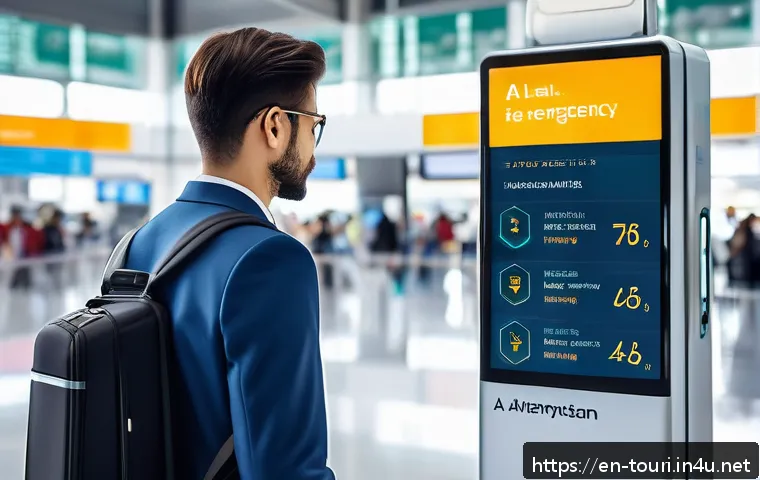
I’ve used VR tours to compare boutique hotels in New York, and it helped me pick a cozy place that felt just right.
AI-Driven Customization of Stays
Hotels are increasingly using AI to tailor guest experiences—from room temperature and lighting to personalized recommendations for local dining or activities.
On one trip, I noticed my hotel’s app suggested spa treatments and restaurants based on my previous preferences, making my stay feel genuinely personalized.
Streamlined Check-In and Smart Room Features
AI-powered automation has simplified check-in processes, often allowing contactless entry via smartphones. Smart rooms now adjust settings automatically based on your habits, creating a seamless and comfortable environment.
Experiencing this technology firsthand felt like stepping into the future of hospitality.
Table: Comparing AI and VR Features Impacting Travel
| Feature | AI Benefits | VR Benefits | Traveler Impact |
|---|---|---|---|
| Trip Planning | Personalized itineraries, real-time updates | Virtual previews of destinations | More efficient, tailored, confident decisions |
| Communication | Instant translation, cultural etiquette tips | Immersive cultural simulations | Reduced language barriers, deeper cultural immersion |
| Safety | Health alerts, risk assessments, emergency support | Simulated safety training | Improved preparedness and peace of mind |
| Accommodation | Customized stays, smart automation | Virtual hotel tours | Enhanced comfort and reduced booking uncertainty |
Revolutionizing Transportation with Intelligent Systems
AI-Optimized Routes and Schedules
Traffic jams and confusing transit systems can drain the joy from any trip. AI-powered navigation apps analyze live traffic data, public transit schedules, and even crowds to suggest the fastest, most efficient routes.
On a recent visit to London, my app rerouted me multiple times to avoid congestion, saving me precious sightseeing hours.
Autonomous Vehicles and Smart Mobility
Self-driving shuttles and AI-enhanced ride-sharing services are beginning to make travel more accessible and eco-friendly. Although still emerging, I had the chance to ride in an autonomous shuttle in a tech-savvy city, and it was surprisingly smooth and convenient, hinting at a future where transportation hassles may become a thing of the past.
Personalized Travel Alerts and Assistance
Beyond navigation, AI provides personalized alerts about delays, gate changes, or transportation strikes, often accompanied by alternative options. This kind of proactive assistance turns potential travel headaches into manageable situations, enhancing overall trip satisfaction.
Elevating Travel Memories with AI-Enhanced Content
Smart Photo and Video Editing
Travel photography is more than snapshots; it’s about capturing moments that tell a story. AI-powered editing tools automatically enhance images and videos, adjusting lighting, removing distractions, and even suggesting creative filters.
I’ve noticed that my vacation photos look more vibrant and professional with minimal effort thanks to these smart features.
AI-Curated Travel Journals
Some apps compile your photos, locations, and notes into beautiful digital journals or highlight reels. This makes sharing your adventures easier and helps preserve memories in a meaningful way.
I recently shared an AI-curated video of my trip with friends, and everyone was impressed by how well it captured the spirit of the journey.
Virtual Souvenirs and Storytelling
Combining AI and VR, travelers can create immersive stories or virtual souvenirs that can be revisited anytime. Whether it’s a 360-degree video of a hike or an interactive map of your travels, these innovations offer new ways to relive and share your experiences beyond traditional photos.
Personalizing Travel Shopping and Services
AI Recommendations for Gear and Essentials
Packing can be stressful, but AI-driven shopping assistants now recommend travel gear based on your destination, activities, and personal preferences.
From weather-appropriate clothing to tech gadgets, these suggestions help you prepare smarter. I used one service that suggested a compact rain jacket tailored to my hiking trip, which turned out to be a lifesaver.
Customized Offers and Deals
AI scans multiple platforms to find the best deals on flights, hotels, and experiences, often presenting offers that suit your travel style. I’ve saved both time and money by relying on AI-curated deals that I wouldn’t have found on my own.
Enhanced Customer Support with Chatbots
AI chatbots provide 24/7 customer service, handling booking changes, cancellations, or inquiries instantly. On a recent trip, I needed to modify a reservation late at night, and the chatbot’s quick assistance prevented a major inconvenience, proving how vital this tech has become for travelers.
Conclusion
AI and VR technologies are truly transforming the way we plan, experience, and remember our travels. From personalized itineraries and real-time updates to immersive previews and cultural insights, these tools bring convenience and deeper connection to every journey. Having tested many of these innovations firsthand, I can confidently say they enhance both the ease and enjoyment of travel. Embracing these advancements can turn any trip into a more seamless and memorable adventure.
Helpful Tips to Keep in Mind
1. Always update your travel apps before your trip to ensure access to the latest AI-powered features and real-time alerts.
2. Use VR previews to get a genuine feel for accommodations and destinations, helping avoid surprises upon arrival.
3. Leverage AI translation tools to break down language barriers and gain cultural insights for respectful interactions.
4. Take advantage of AI-driven safety alerts and personalized risk assessments to stay informed and protected.
5. Explore AI-curated travel journals and smart editing tools to capture and share your travel memories effortlessly.
Key Takeaways for Smarter Travel
Integrating AI and VR into your travel routine offers personalized, flexible, and safer experiences. These technologies not only streamline planning and navigation but also deepen cultural immersion and enhance comfort. Staying proactive with updates, embracing new tools for communication and safety, and using immersive previews can significantly improve your travel confidence and satisfaction. Ultimately, smart use of these innovations makes every trip more enjoyable and stress-free.
Frequently Asked Questions (FAQ) 📖
Q: uestions about
A: I and VR in Travel
Q: How can
A: I personalize my travel experience? A1: AI analyzes your preferences, past trips, and even current trends to offer tailored recommendations—from flights and accommodations to activities and dining options.
Based on my experience, this personalization saves tons of time and uncovers hidden gems I wouldn’t have found otherwise, making each trip feel truly unique and stress-free.
Q: What role does virtual reality play in travel planning?
A: VR lets you virtually explore hotels, landmarks, and neighborhoods before booking or visiting. I’ve tried VR tours that gave me a real sense of the place’s vibe, helping me make more confident decisions.
It’s like taking a mini-vacation in your living room, which is especially helpful when you want to avoid surprises or pick the perfect spot.
Q: Will these technologies make travel more affordable?
A: Absolutely, in many ways. AI can find the best deals by comparing countless options instantly, while VR reduces the need for trial-and-error trips by letting you preview destinations upfront.
From what I’ve seen, this combination not only cuts costs but also maximizes value, so you get richer experiences without breaking the bank.